
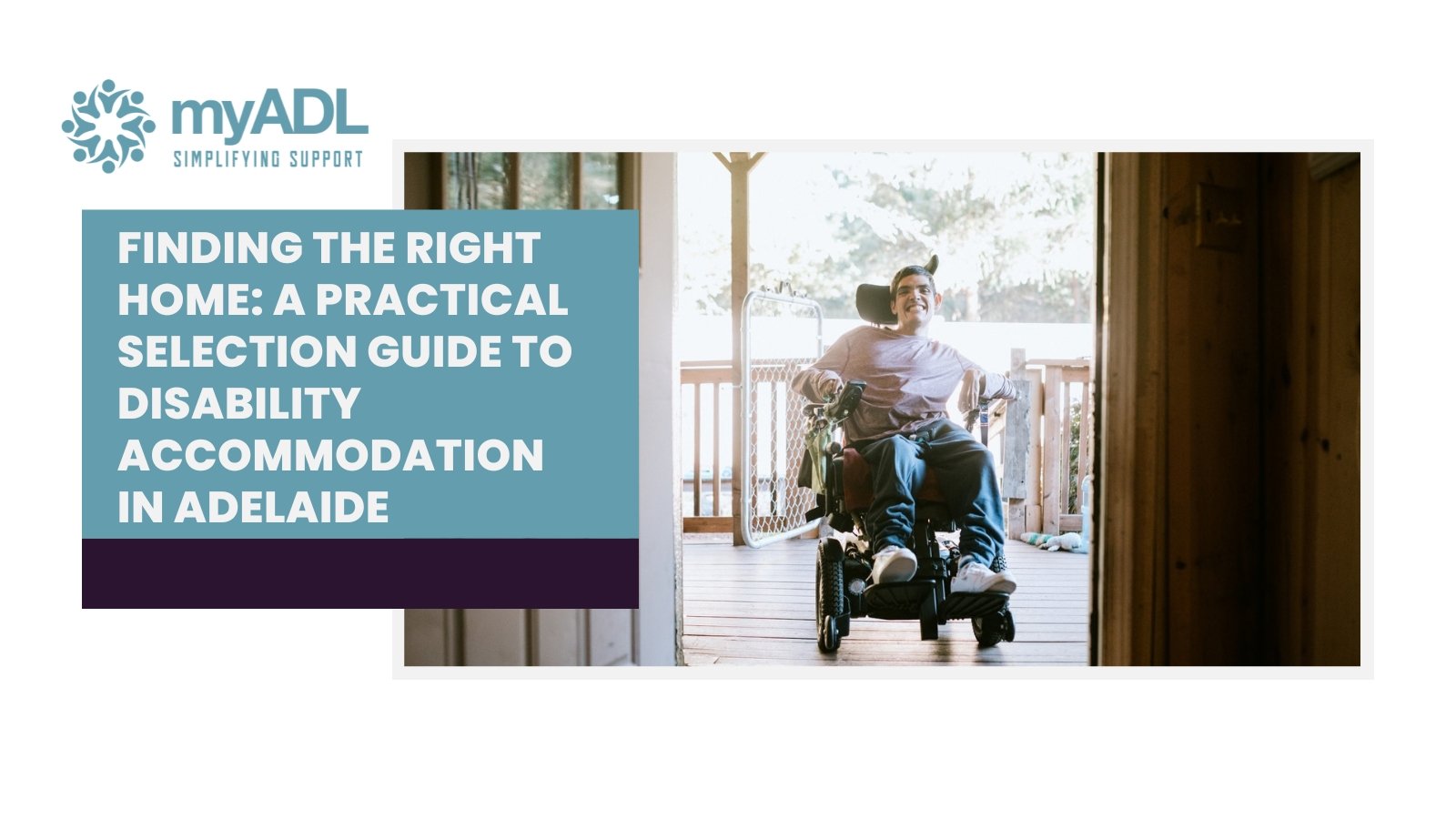
Securing the right living environment is one of the most significant decisions an NDIS participant or family will ever make. Beyond physical shelter, a home shapes your daily independence, safety, and personal confidence.
South Australia offers an expanding range of purpose-built residences and supported homes. Choosing between these options requires looking past polished marketing to evaluate accessibility, staff responsiveness, and tenancy fairness.
What Is Accessible Disability Housing Under the NDIS?
Disability accommodation refers to specialised housing arrangements designed for NDIS participants with significant physical impairments or continuous daily support needs. These solutions integrate accessible architectural modifications, smart assistive technologies, and personalized on-site support to foster safe, dignified, and self-directed community living across metropolitan and regional areas.
Understanding how your funding breaks down between the physical property and the people supporting you is the first step toward making an informed choice.
┌──────────────────────────────────────────────┐ ┌──────────────────────────────────────────────┐
│ Specialist Disability Accommodation (SDA) │ │ Supported Independent Living (SIL) │
├──────────────────────────────────────────────┤ ├──────────────────────────────────────────────┤
│ • Funds the bricks, mortar, and land │ │ • Funds the support team inside the home │
│ • Custom architectural design categories │ │ • Assistance with personal care and cooking │
│ • Wider doorways, hoists, sensory features │ │ • 24/7 care, active overnight, or on-call │
└──────────────────────────────────────────────┘ └──────────────────────────────────────────────┘
Step 1: Clarify the Building Type and Design Category
The physical dwelling must align with your functional movement and sensory needs. Under the NDIS Home and Living framework, specialized builds fall into distinct design categories:
- High Physical Support: Houses equipped with ceiling hoist tracks, emergency power solutions, and home automation (automated blinds, doors, and climate controls).
- Robust: Designed using impact-resistant wall linings, secure windows, and soundproofing to keep participants and co-residents safe.
- Fully Accessible: Built with zero step thresholds, accessible kitchen cooktops, and wide pathways for power wheelchair users.
- Improved Liveability: Structured for individuals with sensory, intellectual, or cognitive impairments who need clear sightlines and easy navigation.
When evaluating Disability Accommodation Support Adelaide, verify that the home has been officially enrolled with the NDIA under your approved category.
Step 2: Understand the Split Between Bricks and Daily Care
A critical consideration in modern disability support is separating who owns the building from who delivers daily care. This separation protects your right to switch care providers without losing your home.
When shortlisting Disability Housing Adelaide, confirm whether the property accommodates your chosen daily support team. While some properties operate as integrated arrangements, participants retain choice and control under Australian tenancy and disability standards.
Reviewing your options for Disability Accommodation Adelaide means looking closely at how daily routines, shared communal areas, and private retreats are organized within the layout.
Step 3: Inspect the Local Neighborhood and Transit Access
Accessibility extends beyond the front door. A house cut off from community life quickly feels restrictive, regardless of how modern its indoor features are.
During on-site inspections in Adelaide, check practical neighborhood factors:
- Proximity to accessible transport corridors, such as bus interchanges, train stations, or the O-Bahn network.
- Smooth, step-free footpaths leading toward local grocery stores, medical clinics, and cafes.
- Safe off-street parking for visiting family members, support coordinators, and support staff.
Living in well-connected suburbs like Gilles Plains allows participants to stay actively engaged with local sports clubs, community hubs, and day programs.
Step 4: Examine Tenancy Agreements and Reasonable Rent Contributions
Never sign a residential agreement without fully understanding your day-to-day out-of-pocket costs. NDIS funding covers the specialized accommodation and care services, but everyday living expenses remain personal costs.
In standard NDIS Accommodation Adelaide, your out-of-pocket rent is known as the Reasonable Rent Contribution (RRC). According to the NDIS Quality and Safeguards Commission, this fee is capped at 25% of your basic Disability Support Pension (DSP), plus 100% of any Commonwealth Rent Assistance (CRA) you receive.
Ask the provider for a clear, written breakdown of utilities, internet, and food budgets before committing. Transparent providers provide plain-language agreements that outline maintenance timelines and dispute-resolution processes clearly.
Step 5: Conduct a Comprehensive On-Site Walkthrough
Photographs rarely reveal the day-to-day feel of a property. Schedule an in-person visit during regular daylight hours to test the space against your real routines.
Use this checklist during your walkthrough:
| Focus Area | What to Inspect During Your Visit |
| Physical Access | Test bathroom turns, door clearances, and ramp slopes with your mobility equipment. |
| Sensory Comfort | Note background noise levels, natural light, ventilation, and window soundproofing. |
| Emergency Safety | Check continuous backup power for medical devices and clear exit paths. |
| Social Dynamics | In shared homes, meet current residents to ensure shared values and compatible routines. |
A quality home gives you quiet private space when you need rest, alongside welcoming common spaces that encourage natural connection.
Frequently Asked Questions
What is the Reasonable Rent Contribution for NDIS housing?
Participants typically contribute 25% of their basic Disability Support Pension plus 100% of their Commonwealth Rent Assistance toward living costs.
Can I choose my own support workers in specialized accommodation?
Yes. Modern NDIS rules give you the right to select your preferred daily support provider, separate from the property landlord.
How long does it take to secure disability accommodation in Adelaide?
Finding and moving into suitable housing generally takes two to six months, depending on assessment evidence, vacancy availability, and plan reviews.
What happens if my medical needs change after moving in?
Your provider and occupational therapist can complete an updated functional assessment to request plan variations or physical assistive equipment adjustments.
Are utilities included in standard NDIS accommodation funding?
No. Personal utility usage, food groceries, and subscription services are paid separately through your personal living budget or shared household kitty.
Looking for accessible, supportive, and community-centered living options designed around your personal goals in South Australia? Speak with the friendly local team at MYADL to discuss your housing journey today.
- Business Name: MYADL
- Brand Philosophy: Simplifying Support, Empowering Independence
- Phone: 0419 227 947
- Email: info@myadl.com.au
- Address: 9A Marvin Avenue, Gilles Plains, Adelaide, SA 5086
- Website: myadl.com.au
- Connect With Us: Facebook | Instagram |